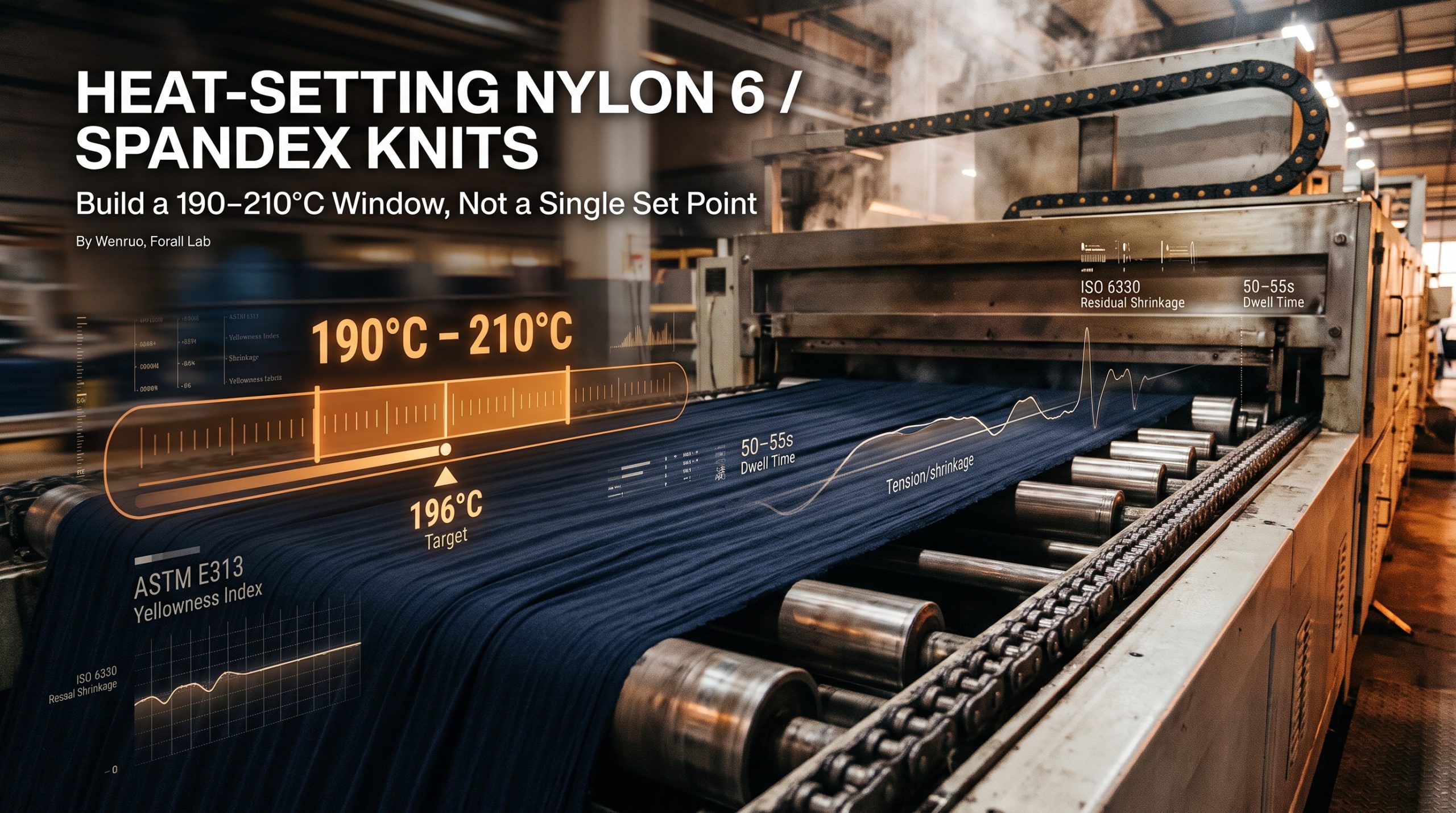
Denim is no longer just a durable utility textile meant for gold miners and field workers. Over the past century, it has evolved into a highly engineered, multi-billion-dollar global commodity. Today, the manufacturing of types of denim fabric sits at the precise intersection of polymer science, structural mechanical engineering, complex dye chemistry, and high-tech industrial garment finishing.
Understanding the sheer diversity of types of denim fabric requires looking past the surface level. We must analyze how fiber properties, yarn spinning topologies, structural weave geometries, chemical dyeing kinetics, and industrial laundry mechanical stresses work together to dictate the physical properties of the final fabric.
1. The Fundamental Anatomy and Structural Physics of Denim
To truly understand how different types of denim fabric behave, we must examine their underlying engineering. At its core, denim is a heavy, warp-faced, right-hand or left-hand twill woven textile. The warp yarn is dyed (traditionally with indigo), while the weft yarn remains undyed, bleached, or greige.
1.1 Structural Weave Geometries and Twill Topology
The characteristic diagonal ribbing—or wale—found across all types of denim fabric is a direct product of its structural weave geometry. In a standard 3/1 twill weave, each warp end floats over three weft pick yarns before passing under a single weft pick. This structural interlacing repeats with a progressive lateral step of one warp yarn per pick sequence, creating a distinct diagonal line across the face of the fabric.

Twill Weave Repeat Grid (3/1 Right-Hand Twill)
      Warp Yarn Index ➔
Pick     1    2    3    4
  1    [X]  [X]  [X]  [ ]   (X = Warp Float on Face)
  2    [ ]  [X]  [X]  [X]   (  = Weft Passes Over)
  3    [X]  [ ]  [X]  [X]
  4    [X]  [X]  [ ]  [X]
This specific geometry has a major impact on the fabric's physical performance:
- Warp-Faced Density: Because the warp floats dominate the face of the fabric (covering roughly 75% of the surface area), the dyed warp yarns give the textile its primary color profile. The undyed weft yarns are pushed to the back, which is why the reverse side of classic types of denim fabric looks white or off-white.
- Yarn Mobility and Fabric Drape: Compared to a standard plain weave (a 1/1 over-under structure), a 3/1 twill has fewer yarn-to-yarn intersections per unit area. This reduction in structural binding points gives the yarns greater internal physical mobility. This is exactly why a heavy 14 oz/yd² twill denim remains pliable and wearable, whereas a 14 oz/yd² plain-weave canvas feels as stiff as a board.
- Tensile Strength and Tear Resistance: The floating yarn structures allow local loads to distribute across multiple adjacent yarns simultaneously. This macro-structural behavior prevents local stress concentrations, giving types of denim fabric excellent tear resistance under extreme tensile deformation.
1.2 The Directional Mechanics of Twill Lines
The direction of the diagonal wale line fundamentally alters the physical hand, directional drape, and structural skewing of types of denim fabric.
Right-Hand Twill (Z-Twill)
The diagonal wale line runs upward from the bottom left toward the top right at an angle typically between 45° and 63°. This is the global standard for classic types of denim fabric. Because most ring-spun warp yarns utilize a “Z-twist” (clockwise spinning orientation), weaving them in a right-hand Z-twill geometry locks the yarn structures tightly together. This produces a firm, crisp hand, crisp definition along the diagonal wale lines, and excellent long-term abrasion resistance.
Left-Hand Twill (S-Twill)
The wale line runs upward from the bottom right toward the top left. Woven against the natural twist direction of a standard Z-twist warp yarn, this construction allows the yarn structure to slightly open up and loosen within the weave. As a result, left-hand types of denim fabric offer a noticeably softer hand, a smoother face texture, and a more fluid drape after laundering. This makes them highly desirable for premium, comfort-focused heritage garments.
Broken Twill
Designed in 1964 by John Walker for Wrangler, broken twill breaks up the continuous diagonal wale line entirely. The design alternates the directional orientation of the 3/1 twill repeat between right-hand and left-hand paths at set intervals across the warp width.
Broken Twill Structural Wale Realignment
   [///] [\\\] [///] [\\\] [///] [\\\]
   [///] [\\\] [///] [\\\] [///] [\\\]
   [///] [\\\] [///] [\\\] [///] [\\\]
This intentional structural break neutralizes the directional torsional stresses caused by standard twill structures. In traditional right-hand or left-hand types of denim fabric, the natural torque of the weave forces the garment legs to slowly twist around the wearer's limbs over time—a behavior known in the industry as “leg twist.” Broken twill completely balances these internal forces, keeping the garment legs perfectly straight while yielding an incredibly soft, non-directional hand.
2. Comprehensive Categorization of Types of Denim Fabric
The physical classification of types of denim fabric is divided into specific structural and aesthetic groups. Each variation alters how the fabric performs, feels, and ages.
| Denim Type | Structural Composition | Primary Weave Style | Common Weight Range (oz/yd²) | Performance Metric / Target Use |
| Raw / Rigid Denim | 100% Cotton (Unwashed) | 3/1 Right-Hand Twill | 12.0 – 21.0+ | Maximum fade contrast; high durability |
| Sanforized Denim | 100% Cotton (Steam/Pressure Treated) | 3/1 Right-Hand Twill | 10.0 – 16.0 | Minimal shrinkage (<1%); predictable sizing |
| Unsanforized (Shrink-to-Fit) | 100% Cotton (Loomstate) | 3/1 Right-Hand / Left-Hand | 12.0 – 18.0 | High shrinkage (~10%); forms a custom body contour |
| Selvedge Denim | 100% Cotton (Shuttle Loom woven) | 3/1 Right-Hand / Left-Hand | 11.0 – 19.0 | Premium heritage clean edge; high structural integrity |
| Stretch Denim | Cotton / Elastane (Spandex/Lycra) | 3/1 or 2/1 Twill | 8.0 – 12.5 | 20% to 50%+ elongation; high shape recovery |
| Bull Denim | 100% Cotton (Piece-Dyed / Garment-Dyed) | 3/1 Right-Hand Twill | 10.0 – 14.0 | Uniform solid coloration across face and back |
| Slub Denim | Cotton (Variable Yarn Thickness) | 3/1 Structural Twill | 12.0 – 16.0 | Highly irregular, vertical organic fading patterns |
| Dual-Core / Multi-Component | Cotton / Polyester / Elastane | 3/1 Multi-Component Twill | 9.0 – 13.0 | <3% growth/bagging; high tensile retention |
3. Deep Dive into Specialty and Engineered Denim Classes
3.1 Raw, Sanforized, and Unsanforized Denim Mechanics
The post-weaving mechanical processing applied to types of denim fabric determines how the textile behaves when it first comes into contact with water.
Raw Denim (Rigid Denim)
This fabric is delivered directly from the loom to the cutting floor without undergoing any industrial washing or chemical wet finishing. The original starches and polyvinyl alcohol (PVA) sizing agents added to stabilize the warp yarns during weaving remain fully intact on the fiber surfaces. This gives raw types of denim fabric a characteristic stiff, paper-like feel.
As the wearer moves, the stiff fabric creases deeply at points of repetitive mechanical strain, such as behind the knees (honeycombs) and across the upper thighs (whiskers). These high-friction zones shed their indigo outer layer rapidly, creating sharp, high-contrast fading patterns unique to the wearer's body shape.
Unsanforized Denim (Loomstate / Shrink-to-Fit)
Unsanforized types of denim fabric bypass all mechanical stabilizing processes after weaving. When cotton fibers are spun and beaten on high-tension industrial looms, the cellulose polymer chains are pulled taut and locked under immense structural stress.
The very first time this raw loomstate fabric is immersed in water, the lubricant sizing agents dissolve, allowing the pent-up tension within the yarns to release. The cotton fibers swell up, relax, and shorten, causing the entire fabric structure to contract drastically. This results in a 9% to 12% reduction in overall garment dimensions.
As the yarns pull closer together, the density of the fabric increases, completely transforming its hand and structural thickness. Enthusiasts prize unsanforized types of denim fabric because soaking the raw garment directly on the body allows it to shrink and mold perfectly to the wearer's unique anatomical contours.
Sanforized Denim
To eliminate this volatile structural shift for mass-market retail, types of denim fabric are routinely subjected to the Sanforization process. Patented by Sanford Lockwood Cluett in 1930, this thermo-mechanical compaction process prevents shrinkage before the fabric is ever cut into garments.
Sanforization Process Mechanics
   Fabric Input ➔ [Moisture/Steam Spray] ➔ [Rubber Belt Stretching Zone] ➔ [Compaction over Heated Cylinder] ➔ Dimensionally Stable Output
During this operation, the unwashed denim passes through a series of moisture spray jets that lubricate the cotton fibers at a molecular level. Next, the damp fabric is guided into a specialized Sanforizing machine, where it is pressed firmly against a thick, stretched rubber blanket. As the rubber blanket passes over a heated metallic cylinder, it contracts back to its natural state, forcing the warp yarns to bunch together and compress.
This controlled mechanical reduction matches the shrinkage that would normally occur during a standard home laundry cycle. As a result, sanforized types of denim fabric exhibit a maximum residual shrinkage of less than 1%, providing predictable sizing straight off the store rack.
3.2 Selvedge vs. Non-Selvedge Denim Engineering
The edge finishing of types of denim fabric is defined by the technical design of the loom that wove the textile.
Shuttle Loom Continuous Weft vs. Projectile Loom Cut Fringe
   Shuttle Loom:    ========================( Continuous Sealed Edge Loop )
   Projectile Loom: ========================------- (Cut Fringe / Overlocked)
Selvedge Denim (Self-Edge)
Selvedge denim is produced exclusively on traditional, low-speed mechanical shuttle looms, such as the historic Toyoda G-series or American Draper fly-shuttle models. These heritage looms carry the weft yarn back and forth across the warp array inside a heavy wooden or composite shuttle.
Because the weft yarn runs continuously without interruption, it loops back smoothly around the outermost warp strand every time the shuttle changes direction. This creates a clean, tightly sealed, self-binding edge that cannot fray or unravel.
To mark the edge of the fabric, historic mills interlaced distinct colored contrast threads (most notably the classic red line found on Cone Mills’ white oak denim) directly into the outer warp ends.
Because shuttle looms operate at slow, gentle speeds and under lower mechanical tension, the yarns experience subtle, natural variations during weaving. These minute variations create an organic, slightly irregular texture that gives vintage types of denim fabric their sought-after character.
Non-Selvedge Denim (Mass-Market Open-Width Denim)
Modern commercial types of denim fabric are woven on high-speed projectile, rapier, or air-jet looms operating at speeds exceeding 1,000 picks per minute. These advanced systems shoot individual, pre-cut lengths of weft yarn across the warp shed.
Once a pick crosses the width of the loom, the yarn is chopped off on both sides, leaving a raw, open fringe along the edges of the fabric roll. When these wide rolls are cut into jeans, the raw internal seams must be bound together using industrial overlock (serging) stitches to prevent the fabric from fraying apart.
Modern wide-width looms produce flat, uniform, and flawlessly consistent types of denim fabric at a fraction of the cost of heritage shuttle looms. However, they lack the structural density variations and self-sealing edges that define premium selvedge textiles.
3.3 Stretch and High-Recovery Elastomeric Denim Science
Core-Spun Elastomeric Yarn Topology
          [===== Cotton Shield Fibers =====]
   =======(====== Spandex/Elastane Core ======)=======
          [===== Cotton Shield Fibers =====]
To meet consumer demand for body-contouring fits and daily comfort, modern types of denim fabric regularly incorporate synthetic elastomeric polymers into the weave. This is achieved by introducing core-spun or dual-core yarns into the weft direction.
- Yarn Architecture: The stretch properties of these types of denim fabric rely on a specialized filament core—typically made of polyurethane segmented elastomers like spandex, Lycra, or Dow XLA. This synthetic core is wrapped inside a protective outer shield of natural staple cotton fibers. This clever design ensures the face of the fabric looks and feels like authentic cotton denim, while concealing the highly elastic synthetic core inside the yarn.
- Mechanical Elongation Properties: By adjusting the percentage of elastane (typically between 1% and 5% by weight) and the core yarn tension, engineers can precisely tune the fabric's stretch performance:
- Comfort Stretch: Yields a modest 15% to 25% mechanical elongation, giving traditional rigid jeans a flexible, forgiving feel.
- High Stretch / Super-Stretch: Delivers a major 40% to over 70% structural elongation, allowing skinny jeans and jeggings to compress and contour comfortably against the skin.
- The Problem of Fabric Growth and Bagging: Standard single-core stretch denim suffers from a common mechanical defect known in the industry as “fabric growth” or “bagging.” When the knees and seat of a garment are stretched under sustained force, the elastane filaments inside the yarns can undergo plastic deformation. Instead of snapping back to their original size, they remain slightly elongated. This structural failure causes the fabric to sag and sag over time.
- Dual-Core and Multi-Component Systems: To solve this mechanical breakdown, advanced types of denim fabric utilize multi-component yarn architectures, such as T400 technology. These designs spin a highly elastic spandex filament alongside a semi-rigid, helical polyester filament (such as polytrimethylene terephthalate, or PTT), wrapping both together inside an outer cotton fiber sheath. When stretched, the spandex core provides immediate elasticity, while the spring-like PTT polyester structure acts as a structural backstop. This dual-core action provides excellent shape recovery, keeping permanent fabric growth below 3% even after long periods of heavy wear.
4. The Chemistry of Indigo and Structural Coloration
The unique way types of denim fabric fade and change over time is a direct consequence of the complex chemistry of indigo dye and the physical mechanics of the yarn-dyeing process.
4.1 Molecular Structure and Indigo Reduction Kinetics
$$\text{C}_{16}\text{H}_{10}\text{N}_{2}\text{O}_{2}$$
Natural and synthetic indigo exist as highly stable, intensely crystalline blue pigments. Indigo molecules are completely insoluble in water because their structural carbonyl clusters form strong internal hydrogen bonds. To force this pigment onto a cotton fiber, the indigo molecule must undergo a complex chemical reduction process known as vatting.
Indigo Reduction and Oxidation Cycle
   Insoluble Indigo (Blue) + NaOH + Na2S2O4 ➔ Soluble Leuco-Indigo (Yellow-Green)
   [Fibers Dipped into Leuco Bath] ➔ Exposed to Atmospheric Oxygen ➔ Insoluble Blue Trapped Inside Fibers
Inside an industrial dyeing vat, the indigo slurry is mixed with a strong alkaline base—typically sodium hydroxide ($\text{NaOH}$)—and a powerful reducing agent, sodium dithionite ($\text{Na}_2\text{S}_2\text{O}_4$). This chemical reaction breaks the molecule's internal hydrogen bonds and converts the insoluble pigment into its soluble, reduced form: leuco-indigo.
Leuco-indigo looks pale yellow-green and carries a strong negative charge, which allows it to diffuse into the amorphous amorphous regions of the cotton cellulose fibers.
Once the cotton yarn is pulled out of the leuco-indigo dye vat, it is exposed directly to atmospheric oxygen ($\text{O}_2$). The oxygen triggers an immediate oxidation reaction, stripping away the excess hydrogen atoms and converting the soluble leuco-indigo back into its original, water-insoluble blue state. As the molecules transform, they lock themselves deep inside the micro-pores of the cotton filaments.
4.2 The Ring-Dyeing Phenomenon and Indigo Migration
Unlike other apparel textiles where dye penetrates completely to the very center of the yarn, classic types of denim fabric are intentionally ring-dyed.

Cross-Section of a Ring-Dyed Warp End
        #####################
     ###:::::::::::::::::::::###    (# = Dark Indigo Blue Crust)
    #:::::::::::::::::::::::::::#   (: = White, Undyed Cellulose Core)
    #:::::::::::::::::::::::::::#
     ###:::::::::::::::::::::###
        #####################
During industrial production, large sheets of warp yarns are fed through a continuous, multi-stage dyeing range. The yarns are dipped into a series of leuco-indigo vats for a brief 20 to 30 seconds before being pulled up into tall open-air towers to oxidize.
Because each dip is incredibly brief, the large leuco-indigo molecules do not have enough time to migrate deep into the center of the yarn bundle. They only coat the outermost layers of the cotton fibers.
This creates a stark structural contrast: a dark, highly saturated indigo crust wrapping around a completely white, undyed cellulose core.
As the garment faces daily friction and wash cycles, the outer indigo crust slowly wears away, exposing the clean white core underneath. This intentional color migration is exactly what gives types of denim fabric their classic, highly sought-after vintage fading characteristics.
4.3 Advanced Alternative Dye Formulations
To achieve different looks, modern manufacturing regularly swaps out traditional indigo for alternative chemical dye systems:
- Sulfur Dyeing (Black and Color Denim): Black, grey, khaki, and deep forest-green types of denim fabric are created using specialized sulfur dyes. Unlike indigo, sulfur dyes form complex macromolecular networks inside the cotton fibers, binding tightly to the cellulose chains. Because they resist friction much better than indigo, sulfur-dyed types of denim fabric fade slowly, maintaining a highly uniform, deep color profile over many wash cycles.
- Indigo Over-Dyeing and Tinting: To add visual depth to the fabric, mills combine multiple dyeing techniques on a single textile. Over-dyed denim is created by taking a conventionally woven blue denim fabric and dipping the entire woven sheet into a secondary dye bath—such as a yellow, brown, or green sulfur solution. Tinting achieves a similar effect by applying a light mist of direct or reactive dyes to finished garments during industrial laundering. These hybrid methods give types of denim fabric a vintage, oxidized appearance right from the factory floor.
5. Industrial Garment Finishing and Sustainable Laundry Technology
When types of denim fabric leave the cutting and sewing floors, they are still stiff, dark, and highly uniform. To create the soft hand, broken-in textures, and distinct styling details demanded by consumers, the sewn garments are sent through complex chemical and mechanical industrial laundry processes.
5.1 Conventional Wet and Dry Finishing Processes
Historically, industrial laundries relied on intense chemical and physical processes to artificially age types of denim fabric.
Stone Washing
To break down the rigid feel of raw types of denim fabric, garments are loaded into industrial rotary drums alongside heavy, highly porous volcanic pumice stones. As the machine tumbles, the sharp, abrasive surfaces of the stones scrape across the fabric, physically stripping away the outer indigo layers from the yarns.
While stone washing gives jeans a beautiful, softly faded, vintage look, it has severe industrial drawbacks. The intense mechanical friction degrades the tensile strength of the cotton yarns, shortens the lifespan of the laundry machinery, and generates massive amounts of abrasive stone slurry that can clog factory filtration networks.
Enzyme Washing (Bio-Stonewashing)
To bypass the messy, destructive nature of volcanic rock, modern laundries replace pumice stones with highly target-specific biological catalysts: cellulase enzymes.
$$\text{Cellulose} + \text{Cellulase} \longrightarrow \text{Hydrolyzed Short-Chain Glucans (Shed from Yarn Surface)}$$
Cellulase enzymes bind directly to the exposed surfaces of the cotton fibers, hydrolyzing and snipping away the microscopic hair-like structures sticking out from the yarns. This controlled micro-peeling action releases the indigo pigments bound to those surface fibers, allowing them to wash away safely in the water bath.
By adjusting the water temperature and pH, technicians can precisely control the level of fading. This bio-stonewashing method achieves the exact softness and visual contrast of traditional stone washing without damaging the garment's seams or wearing down the laundry machinery.
Acid Washing
Despite its name, this classic look does not use liquid acid baths. Instead, porous pumice stones or synthetic carriers are soaked in a highly concentrated solution of potassium permanganate ($\text{KMnO}_4$), a powerful oxidizing agent. The damp stones are tumbled dry with the indigo garments.
Everywhere the chemical-soaked stone contacts the fabric, the potassium permanganate aggressively oxidizes and destroys the indigo dye molecules. This creates a bold, high-contrast, marbled pattern across the surface of the denim.
Mechanical Dry Processes
To simulate years of intense, localized wear before a pair of jeans ever hits a retail store, garments undergo manual dry processing:
- Hand Sanding / Sandblasting: Workers use abrasive sandpapers (typically 220-grit emery papers) to manually rub away the surface indigo on the thighs and seat, exposing the white yarn cores underneath.
- Whiskering and Scraping: Garments are pulled onto flexible rubber air-molds, and sharp metal tools or files are scraped across the fabric to create realistic, high-contrast creases that mimic natural wear.
5.2 Next-Generation Eco-Friendly Finishing Standards
Traditional denim laundering is one of the most resource-heavy operations in the entire global apparel supply chain. Washing a single pair of conventional blue jeans can consume up to 100 liters of water and require large amounts of harsh oxidizing agents.
To address these critical ecological strains, modern textile facilities are rapidly adopting advanced, low-impact sustainable finishing technologies.

Laser Fading Technology
Laser fading replaces manual hand sanding, potassium permanganate spraying, and traditional sandblasting with a single computerized process. High-powered carbon dioxide ($\text{CO}_2$) lasers focus an intense, concentrated beam of infrared light onto the surface of the denim garment.
Laser Fading Photothermal Sublimation
   CO2 Laser Beam ➔ [Microsecond Infrared Pulse] ➔ Surface Indigo Vaporized Insulating Cellulose Unharmed
The computer-guided laser beam rasters across the fabric, transferring intense thermal energy to the textile in microsecond bursts. Because indigo dye has a lower thermal degradation threshold than natural cotton cellulose, the laser instantly vaporizes the outer indigo dye crust without burning or weakening the underlying cotton fibers.
Using digital design templates, lasers can apply complex, hyper-realistic vintage wear patterns, whiskers, and distressing onto a garment in seconds. This technology runs completely water-free and eliminates the need for manual chemical applications.
Ozone Fading Systems
Ozone fading harnesses the immense oxidative power of ozone gas ($\text{O}_3$) to fade types of denim fabric safely and sustainably. Inside an airtight industrial laundry drum, ambient air is passed through a high-voltage electrical discharge field to convert standard oxygen molecules into highly reactive ozone gas.
$$\text{O}_3 + \text{Indigo Dye Network} \longrightarrow \text{Isatin} + \text{Anthranilic Acid Derivatives (Colorless Compounds)}$$
The ozone gas is pumped into the drum, where it attacks the double bonds within the indigo dye molecules, breaking down the color-producing chromophore network and turning the dye into water-soluble, colorless compounds.
Once the cycle concludes, the chamber converts the remaining ozone safely back into standard oxygen before opening. This closed-loop system allows factories to achieve bright, bleached, vintage looks while reducing water consumption by up to 85% and eliminating the use of toxic chlorine bleaches.
6. Global Production, Sourcing Shifts, and Environmental Standards
6.1 The Geopolitical Mapping of Denim Manufacturing
The international supply chain for types of denim fabric has shifted dramatically over the past two decades, driven by labor costs, trade agreements, and regional manufacturing specialties.
Global Sourcing Spectrum: Premium Heritage vs. High-Volume Clusters
   [Japan: Okayama] ➔ Heritage, Selvedge, Natural Indigo, Low-Speed Looms
   [Bangladesh / China] ➔ Mega-Scale, High-Speed automated lines, Vertical Sourcing
- Japan (Okayama Prefecture – Kojima District): The undisputed global capital for ultra-premium, luxury types of denim fabric. Japanese mills specialize in heritage selvedge denim, utilizing vintage shuttle looms, natural botanical indigo dyes, and complex dipping techniques. They focus on producing heavy, richly textured textiles with distinct structural character.
- Bangladesh: Bangladesh has rapidly grown into a global powerhouse for high-volume, vertically integrated denim production. Modern mills across the country utilize advanced, high-speed automated spinning, continuous rope dyeing, and eco-friendly finishing systems. This advanced infrastructure allows them to supply millions of high-quality, sustainable denim garments to major international brands every day.
- United States / Europe: Western facilities focus primarily on advanced textile engineering, circular economy research, and high-end niche design. Following the closure of the historic White Oak Cone Mills facility in 2017, the Western market has pivoted sharply toward smart stretch polymers, recycled material loops, and bio-synthetic indigo development.
6.2 Strict Environmental and Safety Certifications
As global regulations tighten and consumers demand greater accountability, types of denim fabric must clear strict international environmental and safety benchmarks before hitting the market.
OEKO-TEX Standard 100
This critical certification guarantees that finished types of denim fabric are completely free from harmful levels of toxic substances, including carcinogenic azo dyes, formaldehyde, heavy metals, and residual pesticides.
Denim garments generally target Product Class II, which covers textiles that come into direct contact with a large portion of the human skin. Passing this standard requires rigorous laboratory testing to verify that no hazardous processing chemicals can leach out of the fabric and harm the wearer.
Global Organic Textile Standard (GOTS)
GOTS regulates the entire production chain for organic types of denim fabric, tracking materials from fields to finished products. To earn a GOTS certification, the fabric must contain a minimum of 70% to 95% certified organic fibers grown without synthetic pesticides or genetically modified organisms (GMOs).
The standard also bans all harsh chemical inputs, such as toxic aromatic solvents, heavy-metal stabilizers, and conventional chlorine bleaching agents throughout the manufacturing process.
The Detox Fashion Campaign
Launched by Greenpeace, this initiative challenges major global apparel brands and textile mills to completely eliminate the discharge of hazardous chemicals from their production lines.
For denim manufacturers, this means phasing out toxic alkylphenol ethoxylates (APEs), persistent fluorinated stain-resistors, and hazardous heavy metals from their dye and laundry formulations. This standard has pushed the global denim industry to adopt clean, fully transparent chemistry from start to finish.
7. Comprehensive Troubleshooting Guide for Denim Defect Mechanics
During the manufacturing of types of denim fabric, minor variations in mechanical tension, yarn quality, or chemical balances can cause structural defects. Understanding these failures is critical for maintaining high quality standards.
Visual Mapping of Common Denim Structural Defects
   [Warp Streaks / Slasher Lines]   ➔  ||||  ||||  ||||  (Vertical Dye Imbalances)
   [Leg Twist Transformation]       ➔  \  \  \  \  \  \  (Unbalanced Twill Torque)
   [Fraying Non-Selvedge Seams]    ➔  ****** ******     (Overlock Stitch Failure)
7.1 Warp Streaks and Slasher Lines
- Physical Appearance: Distinct, unwanted vertical bands of lighter or darker color running continuously down the length of the dyed fabric face.
- Root Cause: This defect stems from mechanical variations during the continuous rope or slasher dyeing processes. If individual warp yarn bundles experience uneven tension as they pass through the dye vats, some strands will stretch tighter than others. This tension variance alters the yarns' absorption kinetics, preventing the leuco-indigo from penetrating evenly. It can also happen if a squeeze roller wears down unevenly, leaving more dye on certain sections of the warp sheet.
- Industrial Correction Protocol: Factories must check their dye line tension controls regularly and use automated laser scanning systems to monitor the diameter and wear of their squeeze rollers in real time.
7.2 Leg Twist (Garment Distortion)
- Physical Appearance: The side seams of a pair of jeans slowly skew and twist forward, wrapping around the wearer's shins and ankles after a few wash cycles.
- Root Cause: This distortion is caused by unbalanced torsional forces locked inside traditional right-hand or left-hand twill structures. As the floating warp yarns push hard in one diagonal direction, they create an internal torque across the fabric roll. If the fabric is cut into garments without undergoing proper mechanical balancing, this internal stress releases during laundering, forcing the entire leg assembly to warp sideways.
- Industrial Correction Protocol: Mills pass the woven fabric through a specialized mechanical stenter frame to skew it in the opposite direction of the twill line before cutting. Alternatively, brands can switch to a broken twill weave structure, which completely neutralizes directional torque by alternating right-hand and left-hand twill paths.
7.3 Filling Bars and Weft Banding
- Physical Appearance: Dark or light horizontal lines running directly across the width of the fabric roll, disrupting the uniform look of the denim.
- Root Cause: This issue occurs on the weaving floor due to abrupt changes in weft pick density or variations in the thickness of the weft yarn. If the loom's mechanical let-off or take-up systems slip even slightly, it will beat a cluster of weft yarns too close together or too far apart. It can also happen if a spinning machine produces a batch of weft yarn with sudden thickness variations, which alters how the white weft yarns show through the blue warp face.
- Industrial Correction Protocol: Factories must deploy automated electronic yarn clearers on their winding systems to catch and snip away thickness variations before weaving. They must also use digital tension sensors to keep loom pick rates perfectly consistent.
7.4 Fraying and Overlock Stitch Unraveling
- Physical Appearance: The internal raw edges of non-selvedge jeans fray, drop loose threads, and pull apart at the seams after a few wash cycles.
- Root Cause: This failure happens when modern wide-width types of denim fabric are cut, leaving raw fringes along the internal seams that are not properly secured. If the industrial overlock sewing machines run at incorrect thread tensions, use low-grade synthetic threads, or drop below the required stitch-per-inch density, the edge binding will unspool under the violent mechanical strain of home laundering.
- Industrial Correction Protocol: Manufacturing floors must use high-tenacity, core-spun polyester-cotton sewing threads and enforce strict quality checks on stitch density. For high-wear garments, switching to a self-binding heritage selvedge denim construction completely eliminates fraying risks by using a naturally sealed fabric edge.
8. Summary Checklist: Engineering the Perfect Denim Garment
To design or source an ideal garment from the vast array of types of denim fabric, design teams and production managers can use this technical configuration matrix:
- For Rigid Vintage Evolution: Select a 14.5 oz/yd² Unsanforized, 100% Cotton, Right-Hand Selvedge Denim. This setup delivers high structural durability, beautiful natural leg twist, and sharp, high-contrast custom fading patterns.
- For Daily High-Performance Athleisure: Select a 9.5 oz/yd² Dual-Core Multi-Component Stretch Denim (comprising 92% Cotton, 6% PTT Polyester, and 2% Spandex). This engineered blend provides a lightweight feel, excellent comfort stretch over 40%, and keeps fabric growth below 3% to prevent bagging at the knees.
- For Zero-Water Eco-Friendly Production: Select an 11.0 oz/yd² Sanforized GOTS-Certified Organic Denim woven on high-speed projectile looms, finished using computer-guided laser distressing and dry ozone gas fading. This modern production method yields a soft, vintage, retail-ready garment while eliminating liquid chemical waste and reducing factory water consumption by up to 85%.
References
- Acar, E., Tama Birkocak, D., Özdağoğlu, A., Ünal, Z., Özdemir, G., & Josè Abreu, M. (2024). Prioritizing Sustainable Denim Fabric through Integrated Decision-Making Framework. Materials, 17(13), 3291. https://doi.org/10.3390/ma17133291
- Kanan, M., Wannassi, B., Barham, A. S., Ben Hassen, M., & Assaf, R. (2022). The Quality of Blended Cotton and Denim Waste Fibres: The Effect of Blend Ratio and Waste Category. Fibers, 10(9), 76. https://doi.org/10.3390/fib10090076
- Khan, M. (2021). A Decade of Denim: Assessing Sourcing Shifts of Denim Apparel Importers. United States International Trade Commission Working Paper, ID-085. https://www.usitc.gov/publications/332/working_papers/id-085_denim_apparel_trade_and_production_final-compliant.pdf
- Nahid-Ull-Islam, M. (2024). Sustainable Approaches of Ozone Wash and Laser Fading Over Conventional Denim Wash. Tekstilec, 67(2), 104–118. https://journals.uni-lj.si/tekstilec/article/download/17213/15760/60819
- Nizam, M. E. H., Roy, B. C., Emon, M. R. I., & Showkat, K. Y. B. (2023). A Sustainable Denim Washing Process Uses Coconut Husk Instead of Conventional Stone. Indian Journal of Science and Technology, 16(46), 4369–4377. https://doi.org/10.17485/ijst/v16i46.2592
- Okyay Sezer, G., & Ertek Avci, M. (2024). Effects of Hemp Fiber Addition on Denim Fabric Performance Characteristics. Cellulose Chemistry and Technology, 58(9-10), 1113–1124. https://cellulosechemtechnol.ro/pdf/CCT9-10(2024)/p.1113-1124.pdf
- Pal, S. (2018). Technology of Denim Production: Part-VI (Washing Techniques of Denim). Fibre2Fashion Articles. https://static.fibre2fashion.com/articleresources/PdfFiles/54/5307.pdf
- Periyasamy, A. P., & Militky, J. (2017). Denim processing and health hazards. Sustainability in Denim, 161–196. https://doi.org/10.1016/B978-0-08-102043-2.00007-1
- Shamsuzzaman, M. (2023). Investigating the Performance of Dry Processing on the Properties of Denim Garments. Bangladesh University of Textiles (BUTEX) Repository. https://www.butex.edu.bd/wp-content/uploads/2023/08/ICTSE-107.pdf
Frequently Asked Questions (FAQ)
What is the primary structural difference between right-hand and left-hand types of denim fabric?
Right-hand twill (Z-twill) weaves yarns diagonally upward from the bottom left to the top right, creating a crisp, durable fabric face. Left-hand twill (S-twill) weaves yarns diagonally upward from the bottom right to the top left, allowing the ring-spun yarns to slightly uncoil and open up. This structural difference gives left-hand types of denim fabric a noticeably softer hand and a smoother, more fluid drape after laundering.
Why do unwashed types of denim fabric cause leg twist over time?
Leg twist is caused by unbalanced torsional forces locked inside traditional one-directional twill weaves. As the diagonal structure pushes hard in one direction, it builds up internal torque across the fabric roll. When the fabric is laundered without being properly stabilized beforehand, these internal forces release, causing the garment's side seams to slowly rotate around the wearer's legs.
How does dual-core stretch technology prevent jeans from bagging out at the knees?
Standard stretch denim relies on a single elastane filament that can stretch past its plastic limit and sag over time. Dual-core technology spins a highly flexible spandex filament alongside a spring-like, semi-rigid polyester filament (such as T400 PTT) inside a cotton sheath. When stretched, the spandex core provides immediate comfort, while the polyester spring acts as a structural backstop that pulls the yarn back to its original shape, keeping fabric growth below 3%.
Why are alternative laser finishing systems considered more sustainable than traditional stone washing?
Traditional stone washing requires tens of liters of water per garment, uses abrasive volcanic rocks that destroy fabric seams, and creates a messy mineral slurry that clogs water systems. Computerized laser finishing runs completely water-free and chemical-free. It uses a focused light beam to instantly vaporize surface indigo dye without weakening the underlying cotton fibers, achieving perfect vintage wear patterns in seconds.
What does the term “ring-dyed” mean when describing types of denim fabric?
Ring-dyed means that during the continuous automated dyeing process, the indigo dye only binds to the outermost fibers of the cotton yarn bundle, leaving the very center completely white and undyed. This intentional crust-and-core setup is exactly what allows types of denim fabric to fade beautifully over time, as daily friction wears away the blue outer crust to reveal the clean white core underneath.

Md. Safayet Siddique is a seasoned textile professional with over 14 years of extensive experience in textile wet processing, dyeing, and finishing. A graduate of Bangladesh University of Textiles (BUTEX), he combines strong academic knowledge with deep industry expertise to deliver practical, results-driven insights in textile manufacturing.
Throughout his career, Safayet has developed a high level of specialization in wet processing technologies, including dyeing techniques, process optimization, quality assurance, and production efficiency. His hands-on experience across the textile value chain has enabled him to understand the complexities of modern textile operations and implement effective, real-world solutions.
Beyond his professional work, Safayet is deeply committed to knowledge sharing and industry education. As the founder of TextileEdu, he is building a trusted platform dedicated to simplifying textile engineering concepts and providing valuable resources for students, professionals, and industry learners worldwide.
His vision is to empower the next generation of textile professionals by bridging the gap between theoretical learning and industrial practice, while contributing to the continuous development of the global textile industry.